


We witnessed both the exciting and sobering sides of the African tech ecosystem this week. However, the positives were certainly more than unpleasant developments. South African AI infrastructure company Cerebrium secured an impressive $8.5 million seed round backed by Gradient Ventures to help developers build AI-powered products more efficiently. The M&A landscape remained active with strategic acquisitions: Egyptian real estate giant Nawy expanded into Dubai through its acquisition of SmartCrowd, while South African fintech Stitch strengthened its payments infrastructure by acquiring Efficacy Payments. Meanwhile, d.light boosted its financing capacity to $842 million to accelerate off-grid energy access, and Lemfi continued its global expansion into Egypt. On the sobering side, news got out about the quiet shutdown of Nigerian open-banking pioneer Okra after five years and $16 million in funding. Get the complete details below.
Funding
Cerebrium

Funding Round: Seed ($8.5 Million)
Investors: Gradient Ventures, Google, Y Combinator
Founders: Michael Louis and Jonathan Irwin
Founded: 2021, South Africa
About Company
Cerebrium is a software infrastructure development company that helps businesses develop AI chatbots, video tools, and voice assistants. The platform provides solutions that streamline how developers build and operate AI-powered products, eliminating the need for companies to hire large infrastructure teams or accumulate expensive cloud bills. As co-founder Michael Louis explains, “Cerebrium was built so engineers can focus on real business impact instead of hiring big infra teams and racking up six-figure cloud bills.”
What Next?
Cerebrium plans to invest the new capital into expanding its engineering team and developing advanced tools for faster deployments, secure execution, and data compliance across all regions where it operates. The company aims to become the go-to infrastructure provider for AI development in emerging markets.
Acquisitions
Nawy Acquires SmartCrowd, Expands into Dubai

Egyptian real estate company Nawy is deepening its influence in MENA’s real estate industry through its acquisition of Dubai-based property investment platform SmartCrowd. By obtaining a majority stake in SmartCrowd, Nawy has secured a strategic foothold to commence full operations in the Gulf’s booming property market.
SmartCrowd, founded in 2018, operates a digital platform that allows users to invest fractionally in income-generating properties. This acquisition signals Nawy’s ambition to become a real estate “super-app” serving the entire MENA region.
Since its founding in 2019, Nawy has grown to over 1 million monthly users and processed over $3 billion in lifetime transaction value. The company has received backing from major investors, including Partech and March Capital. Earlier this year, Nawy acquired home-finishing startup ROA, which it rebranded as Nawy Unlocked.
While full acquisition details weren’t disclosed, SmartCrowd will continue operating under the leadership of CEO Riz Ahmed, maintaining its established operations while benefiting from Nawy’s broader ecosystem and resources.
Stitch Acquires Efficacy Payments to Offer End-to-End Card Services

South African fintech startup Stitch is tightening its grip on the card payment services industry through its strategic acquisition of Efficacy Payments. This deal positions Stitch as one of the first fintech companies in South Africa to offer fully end-to-end card-acquiring services without relying on banks or third-party processors.
Through this acquisition, Stitch gains possession of Efficacy’s Designated Clearing System Participant (DCSP) license, providing direct access to South Africa’s national clearing system. This enables the company to clear card transactions directly for both online and in-person merchants. Notably, Efficacy Systems was one of the few companies to achieve DCSP designation in South Africa in 2021, the same year Stitch was founded.
This marks Stitch’s second acquisition this year, following its earlier purchase of Exipay, a point-of-sale technology provider. Through these strategic moves, the company is positioning itself as a dominant infrastructure provider in South Africa’s payments industry.
Expansion & Growth
d.light Expands Securitised Financing to $842 Million for Off-Grid Energy Access

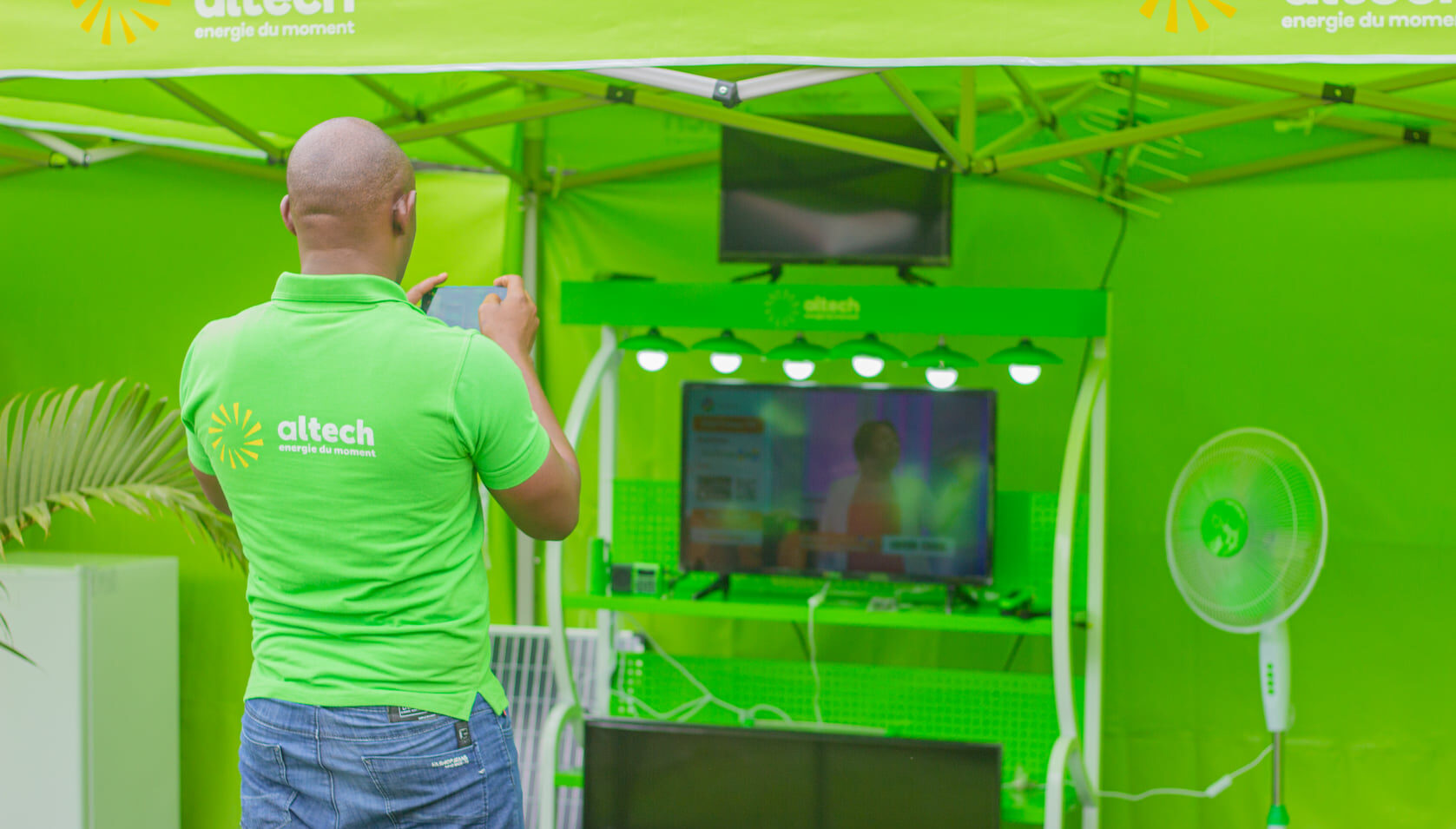
d.light, one of Africa’s largest off-grid energy solutions providers, has expanded its financing capacity to $842 million. This expansion will extend the company’s Brighter Life by d.light (BLd) facilities, enabling it to offer more PayGo products across East Africa and accelerate its mission of bringing clean energy to underserved communities.
The company utilises securitised finance, a method of pooling and selling loan receivables to investors. This approach has been a major contributor to d.light’s success, unlocking affordability and helping the company scale to reach more homes with clean energy solutions.
Operating since 2007, d.light has sold more than 40 million products ranging from solar lanterns to TVs, impacting over 200 million lives across Africa. The expanded financing capacity will significantly boost the company’s ability to serve energy-poor communities throughout the continent.
Lemfi Expands into Egypt

Lemon Finance (Lemfi) has continued its aggressive expansion strategy with the launch of its low-cost international payment services in Egypt. The company, which already maintains a strong presence in the US, Canada, UK, and across Europe, is now positioned to serve Egypt’s massive diaspora community while establishing itself as a reliable operator in the MENA corridor.
This strategic move comes as part of Lemfi’s broader expansion efforts this year, which have included raising funding, making strategic acquisitions, and expanding operations both within and outside Africa. The Egyptian market represents a significant opportunity given the country’s large expatriate population and growing demand for affordable remittance services.
Company Closure
5 Years and $16 Million Later, Okra Shuts Down

Nigerian open-banking pioneer Okra has quietly shut down operations after five years of trying to revolutionise financial services connectivity. The once-celebrated fintech startup ceased operations in May 2024, though the news only became public recently.
Founded in 2019, Okra was well-recognised for its core proposition of building secure APIs that bridge the gap between banks and digital services. The company enjoyed early success and received backing from investment heavyweights, including TLcom Capital and Susa Ventures, raising over $16 million in funding within four years of operations.
The shutdown came without any formal announcement or farewell statement from the founders, leaving the industry to speculate about the reasons behind the closure. The news only became public knowledge after Techpoint Africa noticed a change in CEO Fara Ashiru’s LinkedIn profile, indicating she had joined up with British startup, Kernel and reached out for clarification.
This closure serves as a sobering reminder of the challenges facing African fintech startups, even those with strong initial traction and significant funding. The lack of transparency around the shutdown leaves many questions unanswered about what led to the demise of what was once considered a promising open-banking solution for the continent.