

The year’s early rhythm sees a sharp pickup in activity across Africa’s startup and investment landscape, cutting against the slower pace of recent weeks. Payments, mobility, logistics, and core infrastructure surfaced as key areas of movement, alongside notable consolidation and fund positioning. The signals point to a market re-engaging after a quiet turn of the year, with early momentum beginning to form.
- FUNDING
- ACQUISITIONS
- INVESTOR ACTIVITIES
- Sahel Capital Secures $29 Million First Close for West Africa Agribusiness Fund II
- Amethis Completes Fundraising for Pan-African SME Strategy
- Blue Earth Capital Builds Momentum in Impact Secondaries
- Ci-Gaba Fund Channels Local Pensions into Private Markets
- EiB Backs Alta Semper Fund II With $37.5m
- Inside Capital Partners Closes Regional SME Fund
- EIB Global Commits $80 Million to RMBV Fund Targeting Egypt’s Private Sector
- DEG Backs REGMIFA to Widen MSME Lending
- Impact Fund Denmark Supports Verdant Capital Hybrid Fund
- DEG Expands Climate Finance Through Africa GoGreen Fund
- IFC Considers Backing Adenia’s SME-focused Fund
- Hashgraph Ventures Pledges Support for Africa-Focused Hackathon
- Gates Foundation and OpenAI Plan AI Healthcare Programme
FUNDING
KNOT Technologies

Funding Round: Pre-Seed
Amount: $1 million
Investor(s): A15
Founder(s): Ahmed Abdalla, Hussein ElBendak
Founded in: Egypt, United Kingdom (2025)
About Company
KNOT Technologies is building a ticketing and access control platform focused on live events and large-scale venues. The company is tackling long-standing issues around ticket fraud, uncontrolled resale, and poor visibility for organisers. Many ticketing systems still rely on fragmented tools that separate ticket sales, identity checks, and access management. KNOT brings these functions together into a single workflow designed to give organisers clearer oversight of demand, entry, and ticket movement. The platform is aimed at operators managing high-volume events where security, predictability, and control matter more than novelty.
What’s Next
The pre-seed funding will support KNOT’s continued product development and expansion plans to deepen partnerships with venues, promoters, and distribution platforms while growing its engineering capacity.
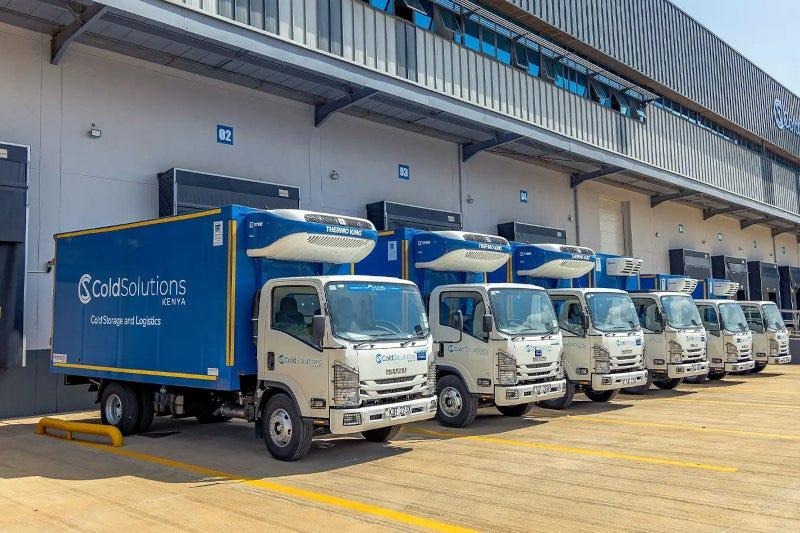
Cold Solutions Kiambu SEZ Limited
Funding Round: Infrastructure Investment
Amount: $19 million
Investor(s): Mirova (via the Gigaton Fund)
Founded in: Kenya (2020)
About Company
Cold Solutions Kiambu SEZ Limited operates large-scale cold storage facilities serving agriculture and pharmaceutical supply chains in Kenya. The company runs temperature-controlled warehousing designed for exporters, food processors, and distributors that require reliable cold chain services. The facility addresses a structural challenge of post-harvest loss which causes unstable incomes for producers by providing consistent storage conditions and predictable logistics, supporting longer shelf life of agricultural products and better market access. The Kiambu site also serves pharmaceutical clients that depend on controlled temperatures for safe storage and distribution.
What’s Next
The investment from Mirova will support further expansion of cold storage capacity and continued integration of energy-efficient systems at the Kiambu facility.
MAX

Funding Round: Mixed Equity and Debt
Amount: $24 million
Investor(s): Equitane DMCC, Novastar, Endeavor Catalyst, EEGF and others
Founder(s): Adetayo Bamiduro, Chinedu Azodoh
Founded in: Nigeria (2015)
About Company
MAX provides vehicle financing and fleet services to commercial drivers across West and Central Africa. The company built a model that allows drivers to access motorcycles and three-wheelers through structured payment plans bundled with maintenance, insurance, and support services. Over time, MAX expanded into electric vehicles, positioning itself as a platform for cleaner urban transport. The company operates a system that manages vehicles, drivers, and repayment through its own software. This approach allows MAX to monitor usage, maintain assets, and support drivers who would otherwise struggle to access formal financing.
What’s Next
The latest funding will support further expansion of MAX’s electric vehicle fleet and charging infrastructure across multiple markets beyond Nigeria, particularly in Ghana and neighbouring countries.
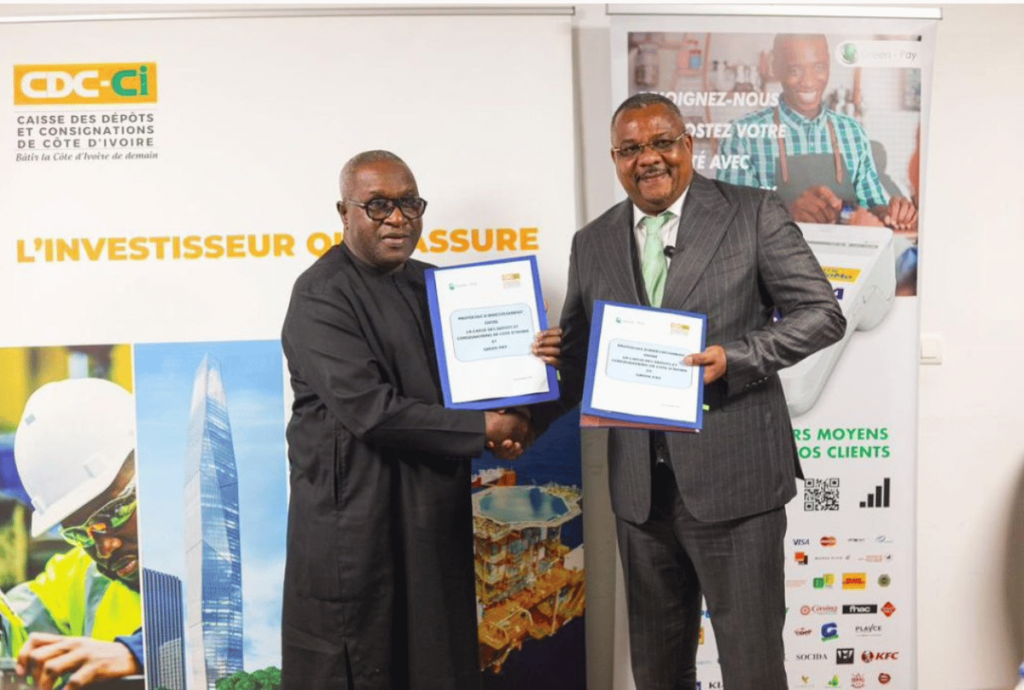
Green-Pay
Funding Round: Strategic Equity
Amount: Not disclosed
Investor(s): CDC-CI
Founder(s): Anouar Traboulsi
Founded in: Côte d’Ivoire (2020)
About Company
Green-Pay provides digital payment services to merchants across Côte d’Ivoire. The company enables businesses to accept card and mobile money payments through a single terminal connected to multiple financial networks. Its services are used by small and medium-sized merchants looking to move away from cash while maintaining flexibility for customers. The company’s integration with regional banking infrastructure allows it to process payments across borders within West Africa. This position has made Green-Pay an important player in efforts to modernise merchant payments in the country.
What’s Next
The strategic investment from CDC-CI strengthens Green-Pay’s ability to scale its merchant footprint and develop new services.
OneDosh
Funding Round: Pre-Seed
Amount: $3 million
Investor(s): Not publicly disclosed
Founder(s): Jackson Ukuevo, Godwin Okoye, Babatunde Osinowo
Founded in: Nigeria (2025)
About Company
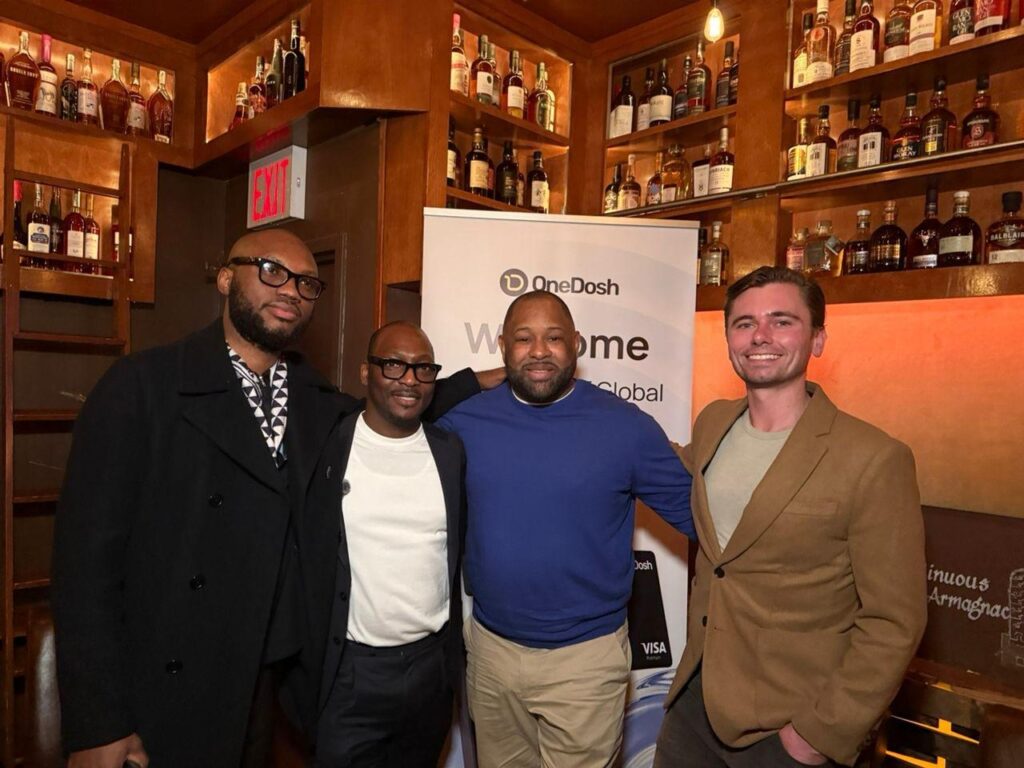
OneDosh is building payment infrastructure that allows stablecoins to be used for everyday cross-border transfers. The company focuses on making international payments simpler for businesses and individuals who move value across borders regularly. The platform connects wallets, cards, and settlement systems in a way that supports practical use. Instead of positioning itself as a consumer app, the company is focused on underlying rails that other services can build on, particularly for corridors where traditional transfers remain slow or costly.
What’s Next
The pre-seed funding will help OneDosh expand into additional payment corridors, deepen liquidity partnerships, and also hire more staff across engineering and compliance as it prepares to support higher transaction volumes.
MyCredit

Funding Round: Senior Debt Facility
Amount: $3 Million
Investor(s): International Microfinance Lender (facilitated by Noblestride Capital)
Founder(s): Wangaruro Mbira
Founded in: Kenya (2016)
About Company
MyCredit is a Nairobi-based digital lender serving underbanked borrowers, small and medium enterprises, private schools, entrepreneurs, and salaried workers across Kenya’s counties. The company operates as a licensed digital credit provider with multiple loan products that include business loans, salary loans, education loans, and asset financing. Its Kuza Elimu Loan product targets private schools with flexible secured and unsecured financing options. MyCredit leverages digital loan processing to widen access to credit and shorten approval times for segments that traditional banks often overlook. Over the years, the company has disbursed thousands of loans and built a nationwide network of branches to support borrowers in urban and peri-urban markets.
What’s Next
The new $3 million senior debt facility will deepen MyCredit’s lending capacity, particularly for medium-term and structured credit aimed at SMEs and underbanked communities.
Cardtonic

Funding Round: Seed
Amount: $2.1 Million
Investor(s): Local and International Angel Investors
Founder(s): Faturoti Kayode, Emmanuel Sohe, Balogun Usman
Founded in: Nigeria (2020)
About Company
Cardtonic is a fintech startup that is broadening its product focus to include enterprise financial tools. The company’s newest product, Pil, is a business spending and expense management platform designed to help companies streamline spending, track approvals, and improve transparency. Cardtonic initially focused on consumer fintech products but pivoted toward addressing corporate financial inefficiencies after identifying a gap in enterprise spending tools. The platform allows real-time expense reporting and centralised tracking, making it easier for finance teams to control organisational spending across multiple departments.
What’s Next
The seed funding will accelerate Pil’s development and refinement ahead of wider rollout across Nigerian SMEs and larger enterprises. The broader goal is to establish Pil as a core financial infrastructure layer for business expense management in Africa’s growing SME market.
valU
Funding Round: Short-Term Financing Facility
Amount: $63.5 Million (EGP 3 Billion)
Investor(s): National Bank of Egypt (NBE)
Founder(s): Walid Hassouna
Founded in: Egypt (2017)
About Company
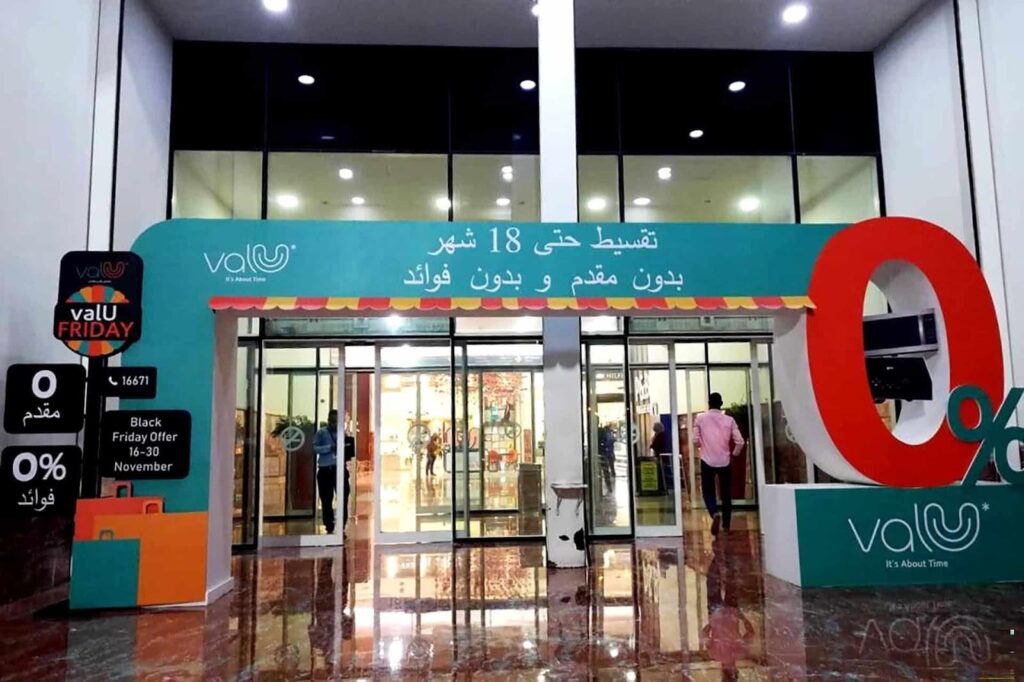
valU is a consumer finance platform operating under EFG Hermes Holding. The company provides flexible buy-now-pay-later (BNPL) solutions and consumer credit across retail, electronics, healthcare, and education. It bridges online and offline retail channels with services that include instalment plans up to 60 months and instant financing for purchases. valU also offers business financing solutions and investment products, positioning itself as a comprehensive consumer finance ecosystem.
What’s Next
The financing from the National Bank of Egypt will enhance valU’s liquidity and operational capacity as it prepares for a planned bond issuance. The company aims to launch full business financing services in Jordan and extend its BNPL footprint across MENA.
NowPay
Funding Round: Growth Funding
Amount: $20 Million
Investor(s): United International Holding Company (Tas’heel)
Founder(s): Mostafa Ashour
Founded in: Egypt (2019)
About Company
NowPay is a Cairo-based fintech specialising in payroll and financial wellness tools for employers and employees. Its platform enables earned wage access, streamlined payroll management, and tools for budgeting and savings. This focus helps employees access pay before formal pay cycles and allows employers to automate payroll operations. NowPay’s tools are designed to improve employee satisfaction, retention, and financial health through integrated digital services that sit alongside traditional payroll systems. The company has raised capital across multiple rounds, involving investors such as 500 Startups, Endure Capital, Beco Capital, and others.
What’s Next
The recent $20 million expansion round will support a strategic joint venture with Tas’heel in Saudi Arabia as the company plans further GCC expansion while continuing product enhancements that support payroll automation and financial wellness for workers across enterprise clients.
Terra Industries (Terrahaptix)
Funding Round: Seed
Amount: $11.75 Million
Investor(s): 8VC, Lux Capital, Valor Equity Partners, Silent Ventures, SV Angel, Leblon Capital, Nova Global, Meyer Malka (angel)
Founder(s): Nathan Nwachuku, Maxwell Maduka
Founded in: Nigeria (2024)
About Company
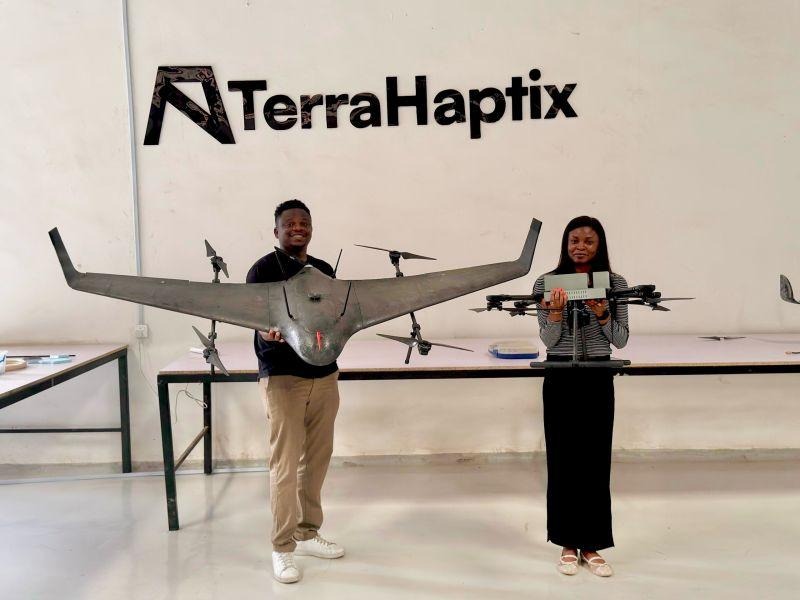
Terra Industries, also known as Terrahaptix, is a defence technology company developing autonomous drones, unmanned ground vehicles, and sentry systems for government and commercial clients. The startup emerged to address persistent security gaps across West Africa, where cross-border incidents and infrastructure protection needs are growing. Based in Abuja with a dedicated manufacturing facility, the company assembles and deploys its hardware locally rather than relying on imports. Its products are designed for real-world operational environments, focusing on surveillance, remote monitoring and rapid deployment without the operational overhead of traditional defence systems. Terra Industries positions itself as a first-mover defence technology provider in Africa, with early contracts already signed through government and private sector engagements.
What’s Next
The $11.75 million seed funding will scale the company’s manufacturing capacity, enhance R&D, and support future deployments across West Africa, and especially into Ghana, Mali and neighbouring countries where demand for autonomous security systems is rising.
ReparTrust
Funding Round: Pre-Seed
Amount: $750,000 (MAD 7.5M)
Investor(s): Private Investors / Angel Backers
Founder(s): Mehdi Benslim
Founded in: Morocco (2021)
About Company
ReparTrust is an AutoTech startup focused on modernising post-accident vehicle repairs. The platform connects garages, fleet operators, insurers and vehicle owners, offering digital repair workflows, real-time tracking, and AI-assisted pre-inspection tools that streamline auto repair processes. The service also integrates with online parts marketplaces such as Piyes.com, enabling partner garages to source parts efficiently.
What’s Next
The $750,000 pre-seed funding will expand the platform’s features, onboard more garages, and strengthen integrations that support automated repair workflows. The capital will also support marketing, partnerships with insurer networks, and deeper integration with parts suppliers.
Paycrest
Funding Round: Pre-Seed
Amount: $404,000
Investor(s): Hashed Emergent, StarkWare, LAVA, Microtraction, Sunny Side Venture Partners, Angel Investors
Founder(s): Chibuotu Amadi, Francis Ocholi
Founded in: Nigeria (2024)
About Company
Paycrest is a fintech building decentralised payments infrastructure that links stablecoins and traditional currency settlements. The startup focuses on predictable cross-border payments by integrating stablecoin rails with fiat settlement systems, creating a settlement layer that supports reliable business and personal transactions across key corridors. Its approach enables multiple verified liquidity providers to coordinate on-chain settlements while maintaining control over funds, offering an alternative to fragmented cross-border payment methods. The platform seeks to make stablecoin-powered transfers more transparent and efficient, particularly where existing payment rails are slow or costly.
What’s Next
The $404,000 pre-seed funding will accelerate product development, deepen liquidity integrations and support early market deployments.
ACQUISITIONS
Paystack steps into regulated banking with Ladder acquisition
Paystack has taken a defining step in its evolution by acquiring Ladder Microfinance Bank and preparing to operate as a licensed banking provider under a new structure. The move shifts Paystack beyond its long-standing role as a payments company into a broader financial services platform designed around businesses. The banking arm will sit alongside its payments operation under a newly formed parent entity, allowing the company to separate regulated banking activity from its core technology products while still offering a connected experience to merchants. The planned focus of the microfinance bank will be business lending and deposit services, with a longer-term view toward deeper financial tools for growing companies. By owning a licensed institution rather than partnering externally, Paystack will be able to build products with greater control over risk, compliance, and customer experience.
Andela deepens talent evaluation with Woven acquisition
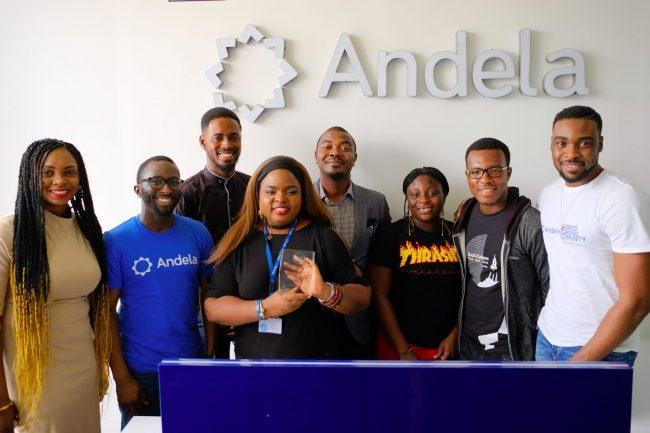
Andela has announced the acquisition of Woven, a developer assessment company known for testing engineers through real-world work simulations rather than traditional exams. The deal is intended to strengthen how Andela evaluates engineers working on advanced software and artificial intelligence projects, an area where global demand continues to rise. Woven’s approach focuses on practical execution, mirroring how engineers actually work in production environments. The integration will allow Andela to refine how it matches talent to enterprise needs, particularly for teams building complex and evolving systems.
Izili Group expands off-grid reach through Qotto acquisition
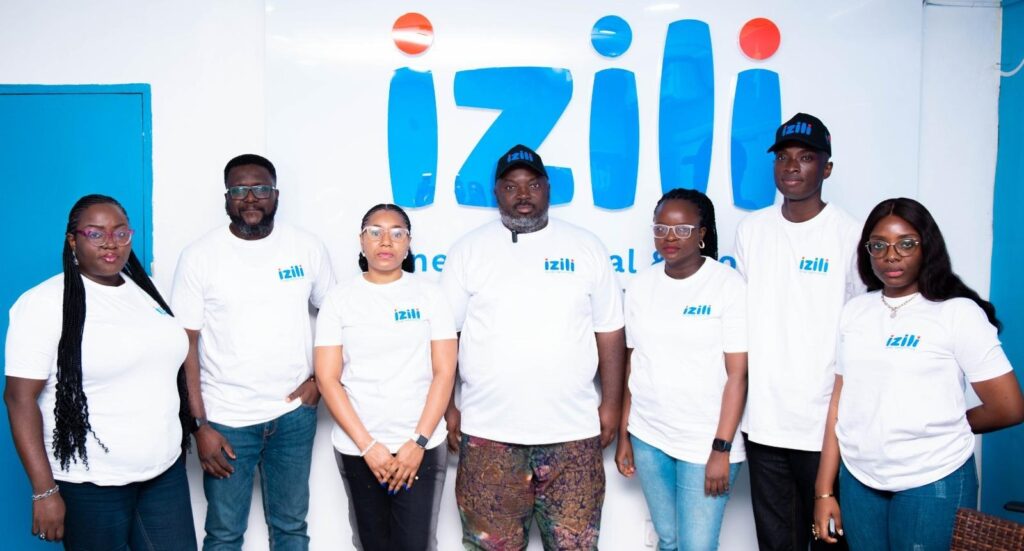
Izili Group acquires Qotto, a solar energy company active in West Africa, as part of a broader effort to expand off-grid energy access. The transaction is paired with additional financing designed to strengthen distribution and digital energy services across multiple markets. By combining operations, Izili expects to deepen its presence in countries where energy access remains limited and demand for affordable solar solutions continues to grow. Qotto brings local market knowledge and experience in serving rural households, while Izili contributes a wider regional footprint and digital infrastructure. The combined group is expected to focus on scaling practical energy solutions for homes and small businesses rather than experimental technologies.
Commit enters African tech recruitment through Savannah deal
Commit has acquired Savannah, an Africa-focused developer recruitment startup, marking its entry into the continent’s growing tech talent market. Savannah built its reputation by connecting African developers with international companies, operating with a lean model and without external funding. The acquisition will place Savannah within Commit’s offshore hiring division, giving it access to broader resources and global clients. For Commit, the deal offers immediate exposure to African developer networks and local hiring expertise. For Savannah, it creates an opportunity to scale placements and expand reach beyond its original footprint.
INVESTOR ACTIVITIES
Sahel Capital Secures $29 Million First Close for West Africa Agribusiness Fund II
Sahel Capital has reached an early milestone for its second agribusiness-focused fund, aimed at supporting companies across food and agricultural value chains in West Africa. The fund will focus on businesses that strengthen local production, improve supply chains, and promote more resilient food systems. Its strategy combines commercial investment with an emphasis on sustainability and long-term operational improvement. Building on experience from earlier vehicles, Sahel Capital plans to work closely with management teams to help companies scale responsibly.
Amethis Completes Fundraising for Pan-African SME Strategy
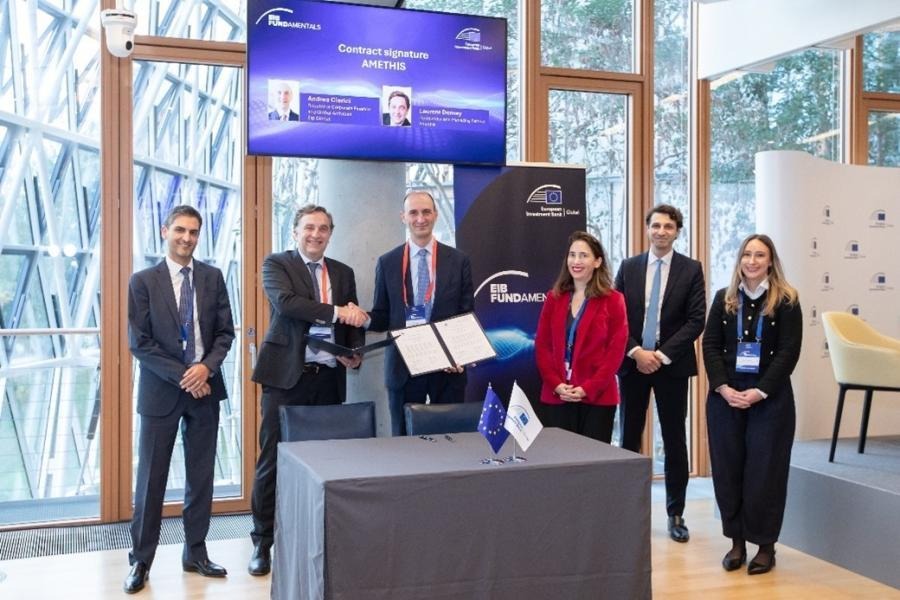
Amethis has completed fundraising for its latest fund, reinforcing investor confidence in SME-focused private equity across Africa. The fund is expected to back companies in energy-linked industries, manufacturing, and services that contribute to local economic development and regional supply chains. Its strategy centers on helping businesses professionalise operations and expand across borders.
The partnership with an established European private equity platform adds international standards and governance support to Amethis’ local expertise. The fund’s focus on sustainable growth and impact-aligned investments reflects shifting investor priorities toward long-term value rather than short-term exits. As African SMEs continue to anchor employment and industrial growth, the fund is positioned to play a catalytic role in scaling proven businesses.
Blue Earth Capital Builds Momentum in Impact Secondaries
Blue Earth Capital has announced a first close for a dedicated impact secondaries strategy focused on emerging markets. The fund is designed to provide liquidity to existing investors while recycling capital into new impact-driven opportunities. By targeting later-stage assets, the strategy aims to balance financial performance with measurable social and environmental outcomes. The approach remains relatively uncommon in impact investing, positioning Blue Earth Capital as an early mover in this segment. By focusing on regions such as Africa and South Asia, the fund seeks to unlock value in mature impact portfolios and support the next phase of growth.
Ci-Gaba Fund Channels Local Pensions into Private Markets
The Ci-Gaba Fund has reached an initial close with strong backing from Ghanaian pension institutions, marking a shift toward greater domestic participation in private markets. The fund is designed to invest in other funds and vehicles that support growing businesses across Ghana and the wider region. Its structure aims to make private equity and private debt more accessible to long-term local capital. By combining domestic pension funds with catalytic support from development partners, the fund seeks to demonstrate that small and growing businesses can be viable investment destinations for institutional capital. If successful, the model could influence how pension assets are deployed across other African markets.
EiB Backs Alta Semper Fund II With $37.5m
Alta Semper has secured additional institutional backing for its second healthcare-focused fund, reinforcing momentum in African life sciences and healthcare services. The fund plans to support companies that improve access to affordable medicines, diagnostics, and care delivery, with a particular focus on scalable business models. Its approach blends commercial growth with measurable social outcomes. Early investments are expected to illustrate how private capital can strengthen healthcare systems while building resilient companies. By working closely with portfolio firms, Alta Semper aims to improve governance, supply chains, and regional reach.
Inside Capital Partners Closes Regional SME Fund
Inside Capital Partners has completed fundraising for its second fund focused on small and mid-sized businesses in Southeast Africa. The fund will back companies operating in sectors such as infrastructure, energy, manufacturing, and services, with an emphasis on underserved markets. Its strategy builds on experience from an earlier fund that supported a small group of regional businesses. The firm plans to combine capital with hands-on engagement, working closely with founders to strengthen operations and unlock growth.
EIB Global Commits $80 Million to RMBV Fund Targeting Egypt’s Private Sector
RMBV has received anchor support for its latest North Africa-focused fund, positioning it to invest in mid-sized companies across Egypt and neighbouring markets. The fund will target sectors such as consumer services, healthcare, education, and finance, with a strong emphasis on governance and operational improvement. A notable element of the strategy is its focus on inclusive growth, including support for women-led and gender-inclusive businesses. With deep regional experience, the RMBV team plans to partner closely with founders to scale operations and expand regionally.
DEG Backs REGMIFA to Widen MSME Lending
DEG has committed capital to REGMIFA, a fund that channels debt financing to institutions serving small and medium enterprises across sub-Saharan Africa. The support is intended to expand access to credit while reducing currency and funding risks for local lenders. By working through banks, microfinance institutions, and fintech lenders, REGMIFA aims to reach businesses often excluded from traditional finance. The investment reflects DEG’s continued focus on blended finance structures that combine development and commercial objectives. For MSMEs, the expanded lending capacity is expected to support growth, job creation, and resilience in challenging economic conditions.
Impact Fund Denmark Supports Verdant Capital Hybrid Fund
Impact Fund Denmark has committed capital to the Verdant Capital Hybrid Fund, which provides flexible financing to institutions that lend to small businesses. The fund focuses on hybrid instruments that strengthen balance sheets and enable lenders to extend more affordable credit to underserved enterprises. By supporting banks, non-bank lenders, and fintechs, the fund aims to multiply the impact of its capital across multiple markets.
DEG Expands Climate Finance Through Africa GoGreen Fund
DEG has announced a debt commitment to the Africa GoGreen Fund, which focuses on energy efficiency and climate-friendly solutions for small businesses. The fund is expected to support practical projects such as clean energy installations and efficiency upgrades that can be deployed at scale. Managed by Cygnum Capital, the fund aims to bridge gaps in climate finance by targeting businesses with immediate operational needs rather than experimental technologies.
IFC Considers Backing Adenia’s SME-focused Fund
IFC has proposed an investment in Adenia Entrepreneurial Fund, a vehicle designed to support growth-stage businesses across Africa. The fund plans to take active ownership roles, providing not just capital but operational guidance and governance support to portfolio companies. If approved, the investment would strengthen Adenia’s ability to scale businesses in sectors critical to long-term development, including healthcare, energy, and consumer services.
Hashgraph Ventures Pledges Support for Africa-Focused Hackathon
Hashgraph Ventures has pledged funding and support for a large developer hackathon focused on emerging technologies across Africa. The initiative is designed to encourage experimentation, entrepreneurship, and skills development among developers and early-stage founders working on future-facing applications. Beyond capital, the programme is expected to offer mentorship and access to global networks, helping standout teams explore commercial pathways after the event.
Gates Foundation and OpenAI Plan AI Healthcare Programme
The Gates Foundation and OpenAI have announced plans for a healthcare-focused initiative that will explore how artificial intelligence can support frontline health workers in Africa. The programme is expected to begin with pilot deployments, working closely with governments and clinics to ensure tools align with local guidelines and needs. The initiative is designed to assist, not replace, healthcare workers by reducing administrative burdens and supporting clinical decision-making. If successful, it could offer a model for responsibly integrating advanced technology into primary healthcare systems, particularly in settings facing workforce shortages.