Tuesday, April 21, 2026Global tech, startups & capital — covered for Africans.
Achieving market fit is one of the most critical milestones for any startup. It determines whether your product truly meets customer needs and whether you can sustain and scale your business. Without it, even the best ideas struggle to gain traction. In this post, we’ll explore what market fit is, why it matters, and practical […]
By AU Startups
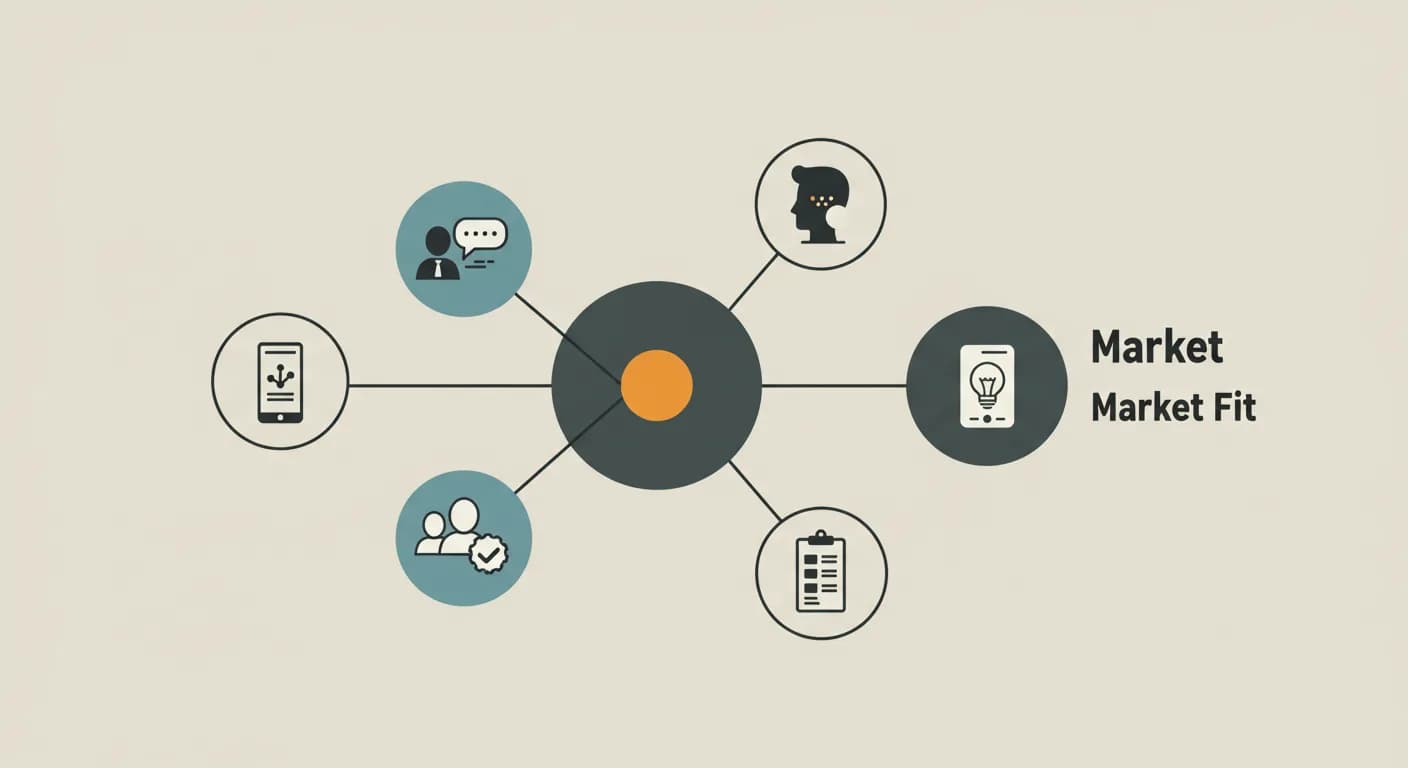
Achieving market fit is one of the most critical milestones for any startup. It determines whether your product truly meets customer needs and whether you can sustain and scale your business. Without it, even the best ideas struggle to gain traction. In this post, we’ll explore what market fit is, why it matters, and practical steps to achieve it.
Market fit (or product-market fit) happens when your product solves a real problem for a specific group of customers who are willing to pay for it.
Best Practice: If customers are actively recommending your product without incentives, you’re on the right track.
Resource: Read Marc Andreessen’s blog post on market fit to understand how legendary startups define it.
Market fit is essential because:
Best Practice: Prioritize market fit before focusing on scaling efforts.
Not everyone is your customer. Define a specific segment that has the biggest need for your solution.
Practical Action Step:
Resource: “The Mom Test” by Rob Fitzpatrick provides a guide on asking the right questions in customer interviews.
Before developing a full product, ensure the problem is significant enough.
Practical Action Step:
Best Practice: If customers won’t commit to a pre-order, they likely won’t buy after launch.
Instead of building a full-featured product, create an MVP to test assumptions.
Practical Action Step:
Resource: “The Lean Startup” by Eric Ries explains how to build and test an MVP efficiently.
Engagement is one of the strongest indicators of market fit.
Practical Action Step:
Best Practice: If retention drops significantly after a short period, revisit your value proposition.
Market fit is an ongoing process of iteration.
Practical Action Step:
Resource: “Inspired” by Marty Cagan offers insights into building products that truly resonate with customers.
Scaling prematurely can lead to high customer churn and wasted marketing spend.
Practical Action Step:
Best Practice: If you need heavy discounts to acquire customers, you may not have market fit yet.
Understanding and achieving market fit is a continuous process, but it’s essential for building a sustainable and scalable business. Prioritize real user feedback, refine your product based on demand, and ensure customers are naturally drawn to your solution before focusing on growth.
By following these steps, you can systematically validate and refine your startup until you achieve strong market fit. Keep testing, keep learning, and stay customer-focused! 🚀